
The book is beautifully written and a wonderful read, and it illuminates a period of history often forgotten but hugely important to Jamaican and British history, the 1830s and what were known as The Baptist Wars, the rebellions and reprisals in the fight for emancipation. But as I was thinking and writing I thought that while many of us here in the UK have no knowledge - or at least only a little - about this time in the West Indies, we might also have forgotten something else.
Although the British Empire had outlawed the slave trade in 1807, the practice and ownership of slavery went on until well into the 1830s, even after formal abolition in 1833. It only ended when slave owners - not slaves, not their families, the slave owners - were paid huge sums (in total over £20 million - what would that be worth today?) in compensation by the British government. All slave owners could apply to the government for compensation and payouts continued way into the 1840s.
Can you imagine that? Not the victims, not those who suffered, not their families, uprooted and tortured on an industrial scale, but their exploiters. Each and every one paid enormous amounts by the UK government, funded by all British taxpayers. The reasoning was that the owners had lost their 'property' and deserved compensation. Of that 20 million pounds, 10 million stayed in Britain, that is it went to slave owning families who resided wholly in the British Isles.
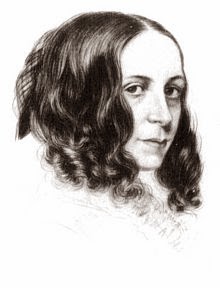 |
| Elizabeth Barrett Browning |
These slave owning families lived in country estates and town houses all across Britain. They might have been the owners of grand plantations or maybe simply owned a handful of niggers to toil for them thousands of miles away conveniently out of sight and mind across the Atlantic. Many of these people might have no idea of the root of their wealth. Or maybe they just shut their eyes and looked away, like many of the German population did during World War II.
Some of these families may even have been against slavery, as, no doubt, many of us rail against, but end up buying cheap clothes from Primark or use computers that have been assembled by people exploited and worked in conditions we cannot imagine and do not want to think about.
One of these numerous beneficiaries included the poet Elizabeth Barrett Browning. Her family owned mining rights and plantations across Jamaica, they had made huge fortunes in their 300 years of slave owning on the island. In fact there are many Jamaicans today that share the name and most probably the genes - brothers Aston and Carlton Barrett might just be the most famous. They were The Wailers' rhythm section and played with Bob Marley as well as with many of reggae's foremost musicians.
But hey, let's get back to Elizabeth, She was very sensitive, she thought slavery awful, terrible, she even wrote a poem - The Runaway Slave at Pilgrim's Point - in which she imagines herself into the skin of a black slave raped by her master. But she was also completely sure of the fact that her family deserved to be compensated for the loss of family property, all the while believing slave owning a 'bad' thing.
Her poem is of its time, overlong and overwrought - unlike a good tune. This one, Small Axe, by Bob Marley and The Wailers is in my mind infinitely preferable and I do hope we're all sharp and ready when it comes to exploitation and art.
 |
| Aston 'Family Man' Barrett |
 |
| Carlton Barrett |
People are and always will be complicated, but I do know I'd take the Wailers or The Heptones or anything Aston or Carlton Barrett played on over Victorian long form poetry. (Except maybe small doses of Hiawatha).
Here's another gem, Watch This Sound by Slim Smith, bass by Aston Barrett which is also lovely.
http://www.youtube.com/watch?v=vRuG86cEz98 - skip the ad though!
Catherine Johnson's latest book - SAWBONES is out now, a forensic murder mystery set in 18th century London - 'thoughtful and impressive' -Booktrust.


